
Maintaining traditional turfgrass for cost savings and clean water
Small switches to turfgrass maintenance habits can make a big difference for finances and water alike. For more detailed advice, visit the University of Minnesota Extension's resource hub dedicated to lawn and landscape care in Minnesota.
Adjust mowing height
When you mow your lawn, avoid cutting it too short. This encourages shallow root growth and, often, a brown lawn. Maintaining a higher mowing height of approximately three to five inches encourages turf to send down deeper roots, helping your lawn reduce the amount of water it needs. Longer roots also reduce erosion and help stabilize soil.
Tune in to how you water
Small adjustments to how and when you water can impact your water bill, your lawn's health, and local waters.
- Is your sprinkler sending water where it's needed? Keep sprinklers pointed away from paved surfaces to ensure maximum benefits for your lawn. When sprinklers spray at paved surfaces, they not only miss lawns, they also create water runoff that can pick up and transport pollutants.
- Is your lawn getting the right amount of water? According to the University of Minnesota Extension, many Minnesotans give their lawn more water than it needs. The average turfgrass lawn requires only 1 inch of water per week, including natural precipitation. Check out this brief video about “Green Grass with Less Blue.”
- Are you watering deeply enough? Shallow, infrequent watering promotes shallow root growth and increased weed growth. Conversely, lawns benefit from less frequent, deeper watering.
- Are you aware of local restrictions or opportunities? To help conserve water, some municipalities have guidelines for when and how residential irrigating takes place. Be sure your watering aligns with any relevant restrictions for your area. Some municipalities offer rebates on smart irrigation controllers, devices that monitor soil moisture or local weather conditions before watering your lawn. Check with your city or township for more detailed information.
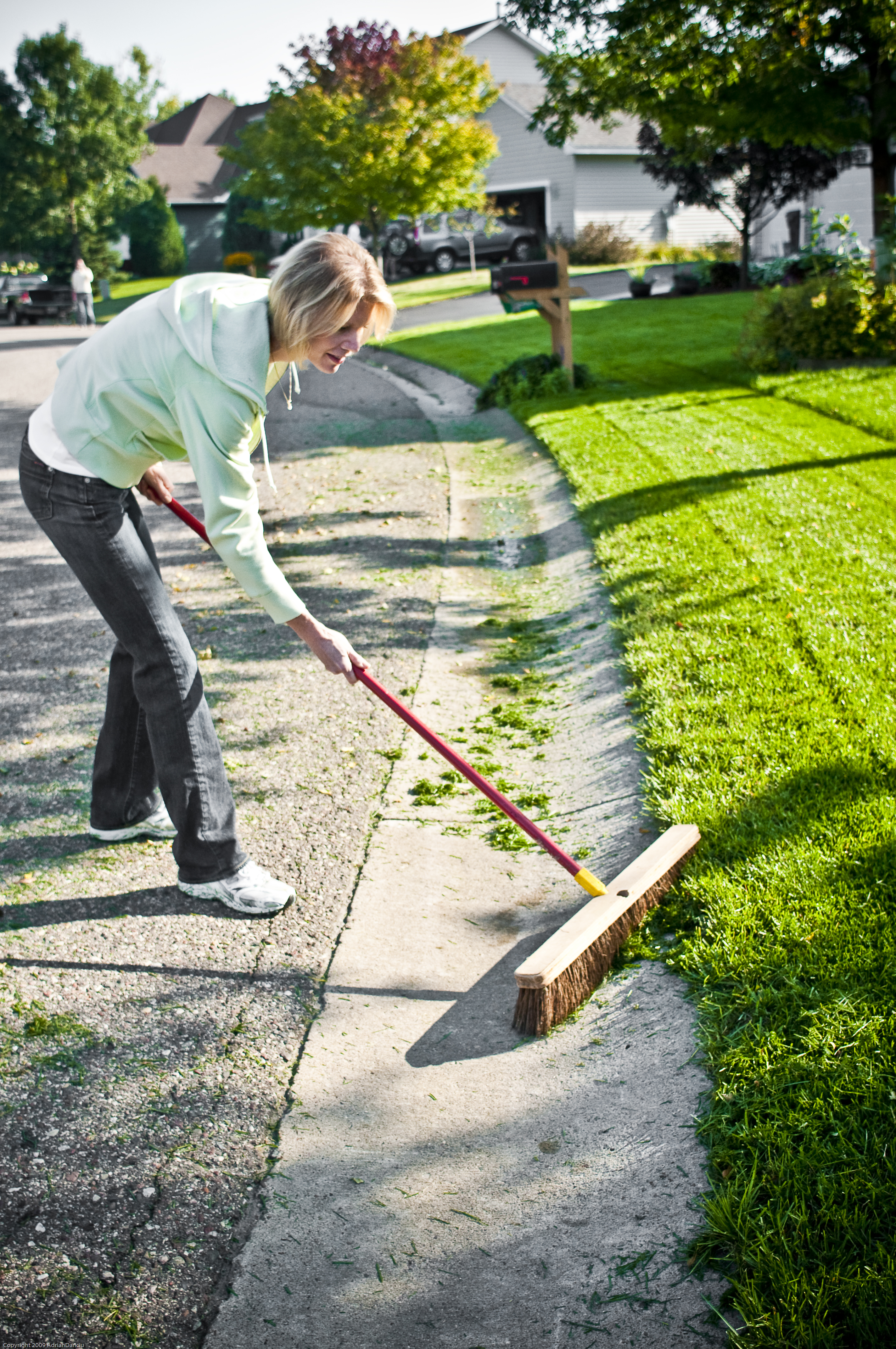
For green grass and blue lakes, keep grass clippings off streets, sidewalks, and driveways
Grass clippings are chock-full of phosphorus that pollutes water, fuels algae blooms, and harms aquatic life. After mowing the lawn, blow grass clippings back into your yard for free fertilizer or dispose of them at a designated yard waste site.
Photo courtesy of Clean Water MN.
Opting for alternative turfs
If you’re drawn to green landscapes but tired of the demands of a traditional turfgrass lawn, a low-maintenance lawn may be a good fit for you. These “alternative turfs” are growing in popularity in the VLAWMO watershed and beyond as word spreads that most require less water, reduced maintenance, and less fertilizer than traditional turfgrass. There are multiple types of low-maintenance yards.
Bee lawns
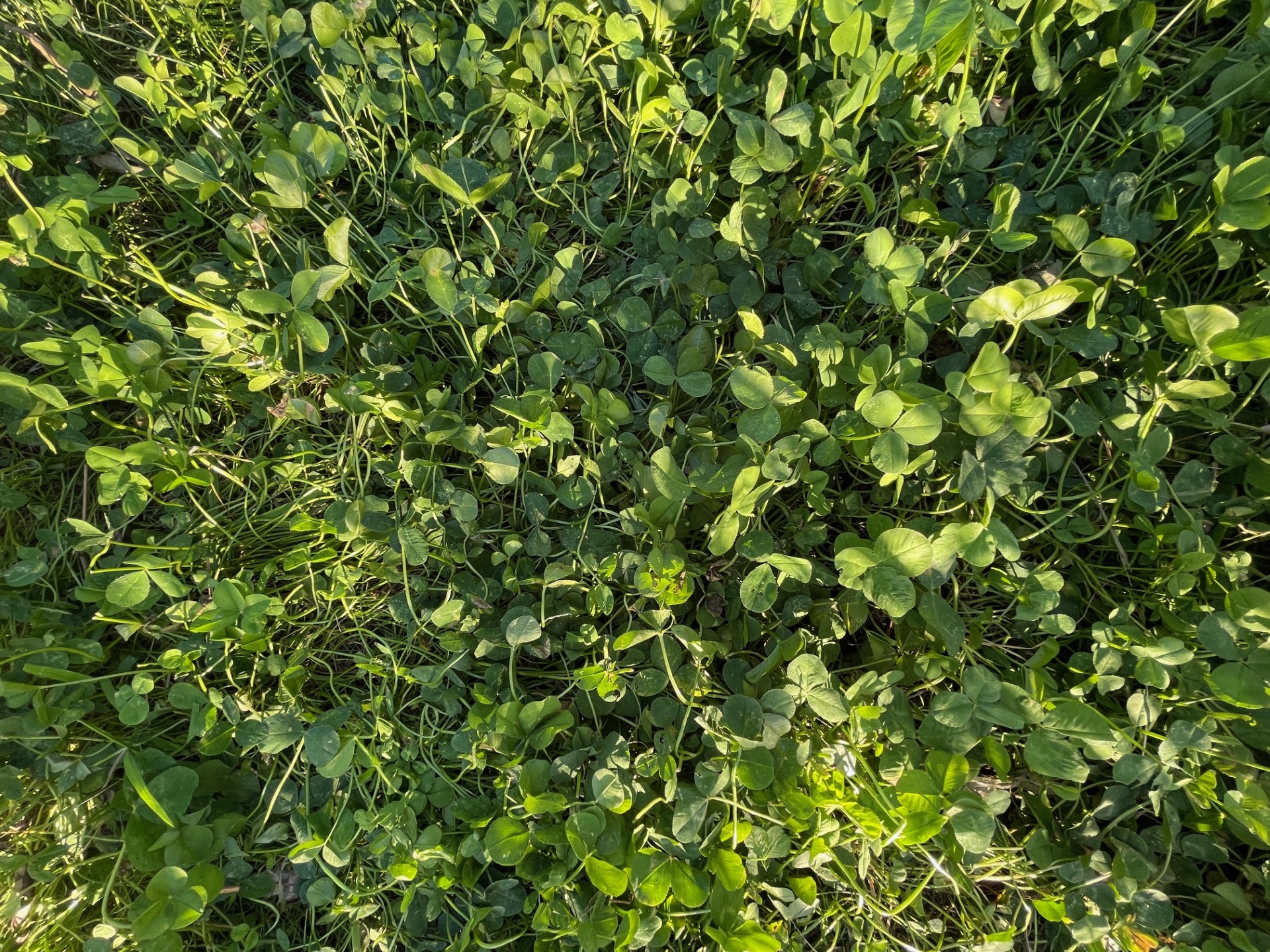
Bee lawns are a blend of grasses and low-growing perennials. Their perks include:
- High-quality nutrition for pollinators
- Little need for fertilizer
- Improved soil health
Fescues
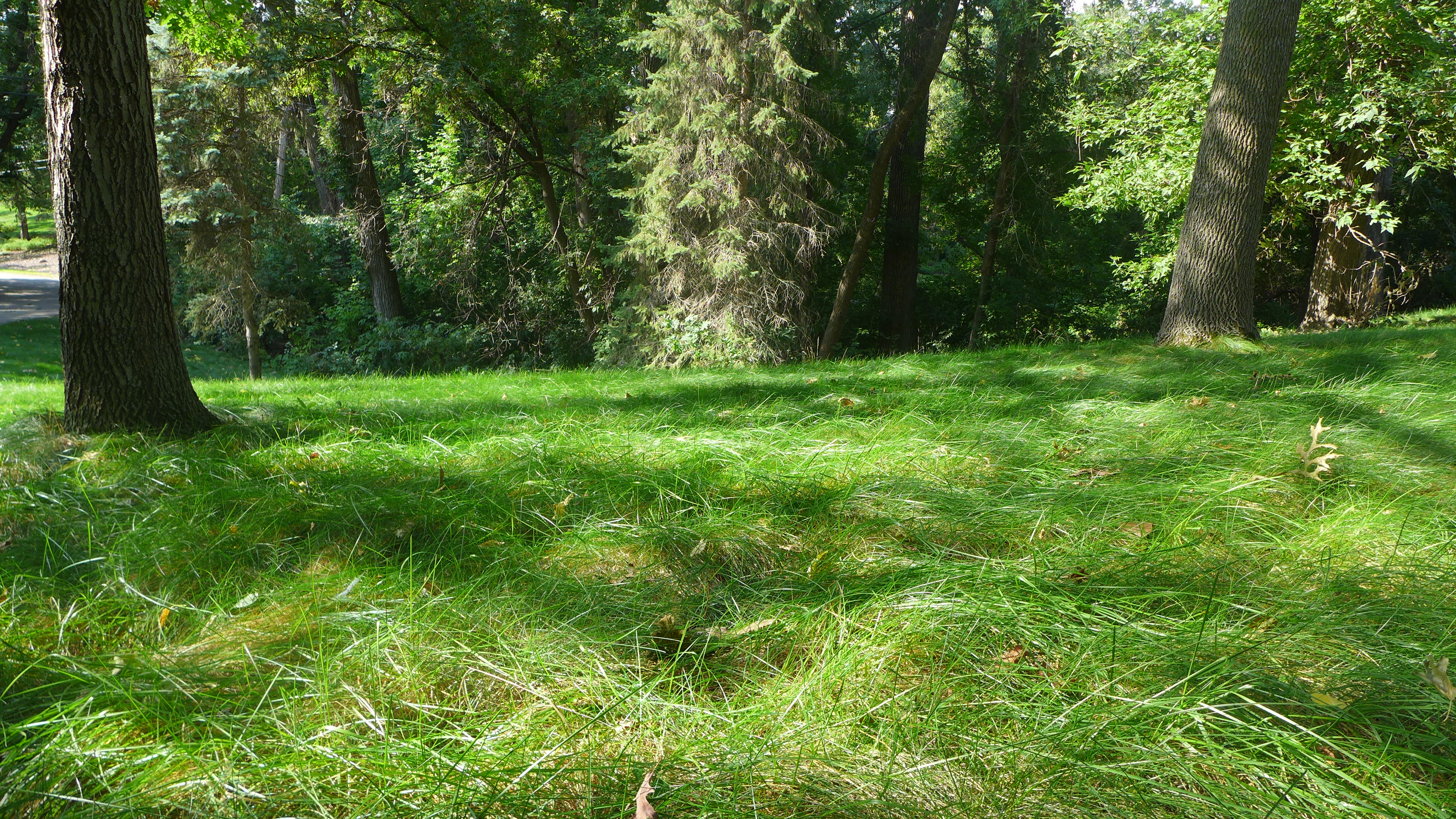
Fescues are lawn species that offer benefits including:
- Drought tolerance
- Little need for fertilizer
- Slow growth that reduces mowing
- Weed suppression
Sedges
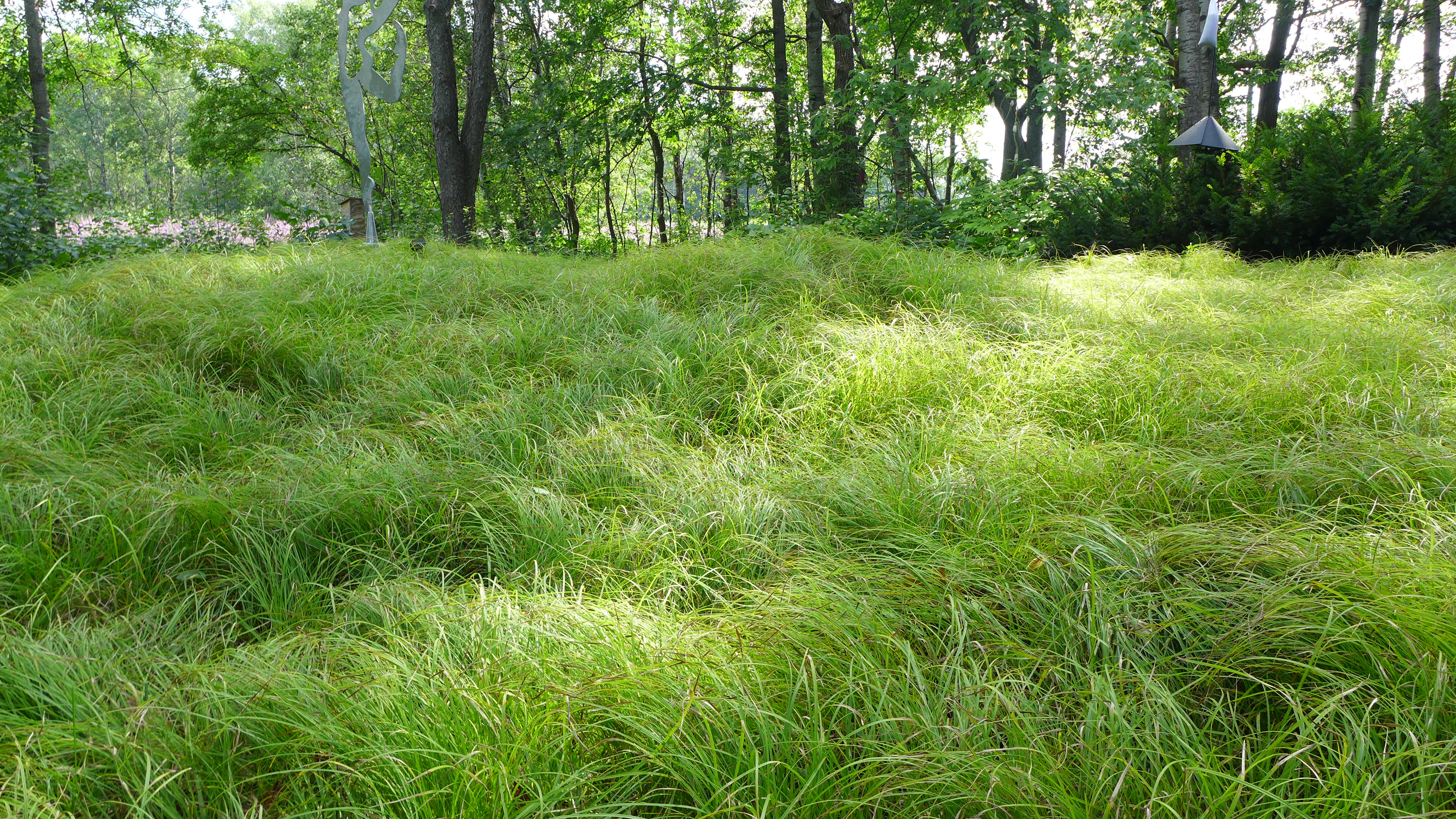
Sedges are grass-like plants that offer:
- Nutrients for pollinators
- Long roots that soak in water; adaptation in wet and dry areas
- Little need for fertilizer
- Potential for shady areas where turf and other plants may struggle
An alternate path: incorporating native plants throughout your yard
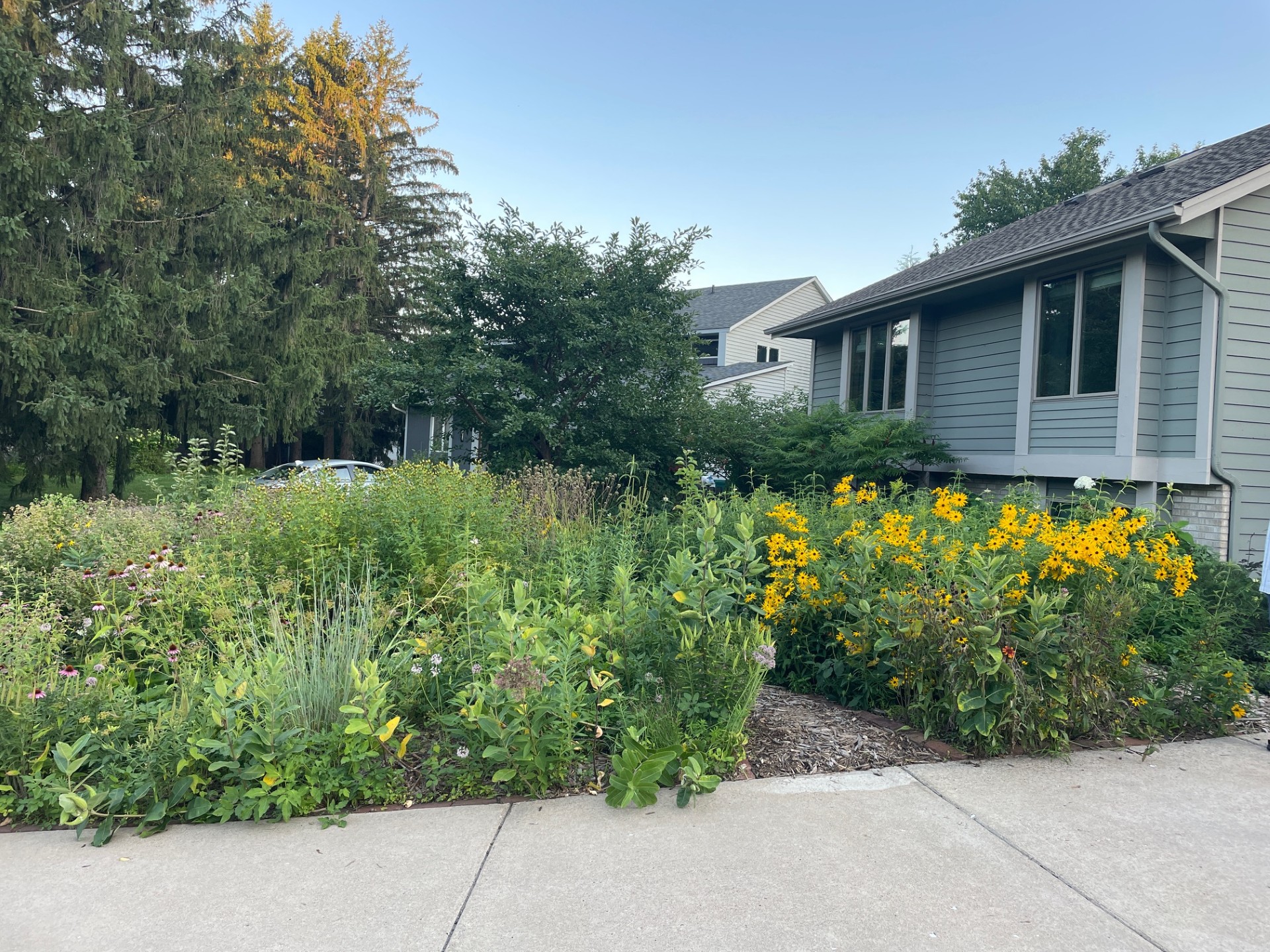
Interested in losing the lawn altogether? Another possibility is going lawn-free by incorporating native plants throughout your yard. This approach's benefits include:
- Varied nutrients for pollinators
- No mowing required
- Drought resistance
- Aesthetic variety
- Long roots filter water runoff
- Customization - pick the plants that interest you and work for your space
Looking for more information on alternative turfs? Blue Thumb offers a free online learning series including courses on resilient yards and turf alternatives. Learn more and sign up on their website.